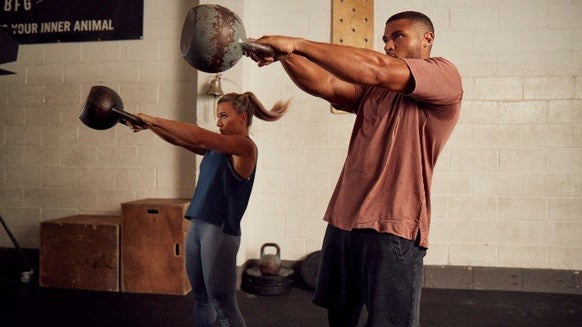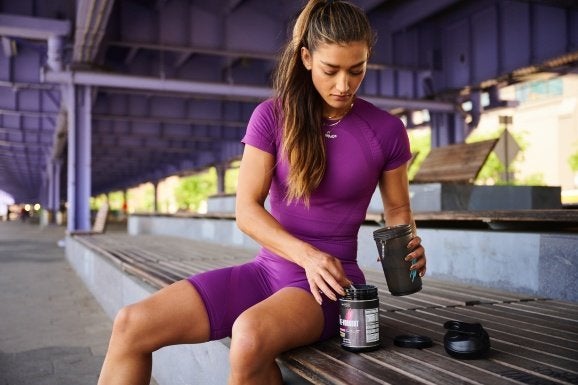
Creatine is one of the most widely researched and effective performance supplements available. But if you're deciding how to take it, a common question comes up: Do creatine capsules work as well as creatine powder?
The short answer is yes. Creatine capsules are a good way to add creatine to your diet. Just like creatine powder, they can help with strength, exercise performance, and muscle growth.
To see benefits, take them regularly and in the right amount. The difference between capsules and powder is not whether they work, but how you use them.
Picking between pills and powder often depends on convenience, how much you want to take, and your lifestyle. To understand which option may be right for you, let's first review what exactly creatine is and how it works in the body.
Jump to:
What Is Creatine?
Creatine is a naturally occurring compound synthesized from the amino acids arginine, glycine, and methionine. It plays a key role in supplying energy to muscles, especially during short bursts of high-intensity activity.
While your body produces some creatine on its own, you primarily obtain it through diet. Proteins like red meat, poultry, fish like salmon or tuna, and eggs are good sources.
Athletes and exercise enthusiasts mainly use creatine to enhance performance and help build muscle.
For many, getting sufficient creatine through diet alone is difficult, so creatine supplements, available in powder or capsule form, offer a convenient way to increase your intake.

What Is Creatine? | Benefits, Dosage, & Side Effects
Cutting through the noise to provide you with the facts......
What are the benefits of creatine?
Creatine is one of the most studied supplements for athletes and gym-goers, and for good reason. When taken consistently, whether as capsules or powder, it helps enhance performance and improve muscle mass and strength.
At a cellular level, creatine promotes adenosine triphosphate (ATP) production. ATP is the energy your muscles use during high-intensity workouts. By increasing the amount of ATP available, creatine allows you to train harder, recover faster, and potentially build more strength and muscle over time.
The supplement has also been shown to improve disorders of creatine metabolism or transport and age-related muscle loss (sarcopenia).¹
The most researched form of creatine is creatine monohydrate, which has consistently been shown to enhance muscle growth, boost strength, and support overall exercise performance.
Recent research also suggests creatine may even have benefits beyond fitness, including improving brain health and reducing fatigue.
In short, whether you prefer creatine capsules or powder, the supplement can help you get more out of your workouts and support your fitness goals safely.
How does creatine help build muscle?
One reason creatine supports muscle growth is its role in increasing available energy within muscle cells. By boosting creatine storage and the rate of ATP regeneration, creatine helps muscles sustain effort during high-intensity exercise.²
Around 95% of the body’s creatine stores are found in skeletal muscle, where it plays a direct role in fuelling strength-based movements.¹ Creatine is stored in muscle tissue as phosphocreatine, which acts as a quick-access energy reserve during short, intense bouts of activity.
During exercises like lifting weights or sprinting, ATP is rapidly depleted. Creatine helps replenish ATP more efficiently, allowing muscles to maintain performance for longer periods. This increased energy availability can support higher training intensity, heavier lifts, and greater overall training volume over time.
Creatine also draws water into muscle cells, which may help support protein synthesis and contribute to muscle development when paired with consistent resistance training.

Do Creatine Capsules Work: Pills vs. Powder
Both creatine capsules and powder deliver the same active ingredient and can support muscle growth, strength, and exercise performance when taken correctly. The main differences come down to convenience, dosing flexibility, and personal preference rather than effectiveness.
Creatine Powder
Creatine powder is popular because it allows for flexible dosing, which can be helpful during a loading phase or for those who prefer to adjust their intake. It's also typically more cost-effective over the long term, especially for people using higher amounts of creatine.
That said, powder is not always the most convenient option. It needs to be mixed with liquid, may not dissolve easily, and can be messy to transport. Some also dislike the taste or texture when it's mixed with other supplements or drinks, like a protein shake.
Creatine Pills
Creatine capsules offer a simple, no-mess way to supplement. They are easy to carry, require no mixing, and make it straightforward to track how much creatine you're taking each day. This can be especially useful for people who travel frequently or prefer a more convenient routine.
The main drawback is dosing. Capsules usually contain smaller amounts of creatine per serving, which means you may need to take several capsules to reach an effective daily dose. This can become less practical during a loading phase and may cost more over time compared to powder.
Additionally, your body doesn't absorb pills as quickly as it does powder, so creatine powder will get to your cells faster.
However, rate of absorption is not known to affect the efficacy of the supplement.
Whether you go with capsules or powder, creatine can be helpful in achieving the gains you're looking for.

Creatine Pills Vs Powder | Absorption Rates Don't Affect Effectivity
The choice is yours....
FAQs
Want to know more? Read on for frequently asked questions and general information about creatine.
Usage
These questions cover how to take creatine, how often to use it, and what to consider for daily supplementation.
When should you take creatine?
Creatine doesn’t need to be timed around your workouts to be effective. Whether you take it in the morning, before training, or at night, your body will still absorb it and store it in your muscles for use during exercise.

When Is The Best Time To Take Creatine?
Before working out, or after? Does it even matter?...
Is it okay to take creatine before bed?
Yes, taking creatine before bed is totally fine. The supplement is not a stimulant, and thus, there is no issue with taking it before bed or whatever time of day works best for you.
Should I take creatine every day?
To see results, creatine should be taken daily in the recommended amount. Many start with a loading phase, taking a higher dose for a short period, to saturate their muscles more quickly, then switch to a standard daily dose for maintenance.
Both capsules and powder work equally well, so your choice should depend on convenience and how you prefer to take your supplements. The key is regular intake over time, which allows your muscles to fully benefit from the increased creatine stores.²
How much water should I drink when taking creatine?
Creatine draws water into your muscle cells, which is part of how it supports performance and muscle growth. Because of this, it’s important to stay well hydrated when supplementing with creatine, whether you’re using capsules or powder.
You don’t need to drastically increase your water intake all at once, but drinking more fluids than usual can help support hydration and reduce the chance of side effects like bloating or stomach discomfort. A gradual increase in water intake allows your body to adjust while still supporting the way creatine works in the muscles.
Paying attention to how you feel is key. If you notice signs of dehydration, such as fatigue or headaches, increasing your fluid intake may help. Staying consistently hydrated can make creatine supplementation more comfortable and effective over time.
Is taking creatine safe?
Taking creatine is currently considered safe and ethical.² When taken in appropriate doses, creatine is likely safe to take for up to five years.³
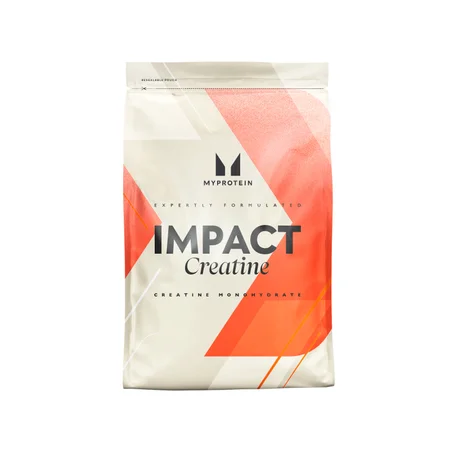
As with any supplement, you'll want to ensure you choose a creatine that follows recommended manufacturing practices and goes through third-party testing to ensure quality, like Myprotein's Creatine Monohydrate Powder.
General Information
This section addresses common misconceptions and general questions about what creatine is and how it affects the body.
Is creatine a steroid?
Creatine is not a steroid and is not similar to steroids in its effect on the body. Steroids are considered drugs, while creatine is considered a natural supplement.
Anabolic steroids are a synthetic form of testosterone and can increase muscle mass by increasing muscle protein synthesis. Steroids can do this by influencing the expression of muscle-specific genes.⁴
Supplementing with creatine also increases muscle protein synthesis, but by pulling water into your muscle cells. Creatine increases ATP production as well, and over time, this can lead to increased muscle mass through increased training performance.⁴

Is taking creatine good for you?
Supplementing with creatine can have positive effects on the body, including boosting mood and alleviating symptoms of certain metabolic and musculoskeletal disorders, among others.
According to recent research, creatine has also been shown to improve neurological and cognitive function. Additionally, in older adults, creatine can help with fatigue resistance and has been shown to increase strength, muscle mass, bone density, and daily activity performance.²
Results
Here, we look at what kind of results you can expect from creatine and how long it may take to notice changes.
How quickly does creatine work?
It can take anywhere from 7 to 28 days to see the energy effects of creatine.⁵
Does creatine help you lose weight?
There is no known connection between creatine and weight loss; the two are unrelated. Thus, you shouldn't take creatine with the intention of losing weight.
However, creatine will help you build lean muscle mass.
Does creatine make you bigger/gain weight?
Creatine can help you increase muscle size over time, but it doesn’t work instantly or on its own. When combined with heavy resistance training, creatine has been shown to increase strength, fat-free mass, and muscle morphology more than resistance training alone.²
So, over time, creatine can make you gain weight in the form of lean body mass, but this is a natural result of gaining muscle.³ Whether you take creatine capsules or powder, the potential for muscle growth comes from regular use paired with a proper training program and adequate nutrition.
Additionally, some people notice a slight increase in body weight shortly after starting creatine. This is often due to water being stored in the muscle cells rather than an increase in body fat. You do not gain body fat from supplementing with creatine.

Does Creatine Really Make You Fat?
It's time for some myth-busting......
Side Effects
These questions focus on potential side effects, safety concerns, and how creatine may affect different aspects of health.
Does creatine affect you sexually?
No evidence or known research suggests that creatine has any sexual impact.
Does creatine raise testosterone?
In studies on creatine and testosterone, creatine does not raise testosterone levels. Many studies report no change in testosterone when subjects supplement with creatine. This includes total testosterone, free testosterone, and DHT (the metabolite of testosterone linked to hair loss in men).⁴
Does creatine affect mood?
While more research is required, many studies find that creatine has a positive effect on mood.
According to the Journal of the International Society of Sports Nutrition, creatine has been shown to improve mood and alleviate symptoms of depression in young women.⁴
Additionally, another study demonstrated that creatine boosted mood in patients with Parkinson's Disease.⁶ Creatine was also shown to reduce mental fatigue in healthy individuals and improve mood and reduce fatigue in sleep-deprived individuals in a clinical trial published in the Journal of Psychopharmacology.⁷
What are the negative effects of creatine?
According to the research, there are no proven negative health effects for healthy individuals when taking creatine, both short-term and long-term. The health risks demonstrated applied only to those who were already diagnosed with specific health conditions like bipolar disorder or renal health disorders.²
Some people experience mild side effects such as bloating, weight gain, water retention, and gastrointestinal upset. These are likely due to the high dosage of creatine most people take (the standard dose is 3-5g/day). Lowering your dose if you experience any of these side effects will likely alleviate them.⁸ For the general population, there are no known negative side effects of supplementing with creatine.²
Take Home Message
Creatine is a well-researched supplement that supports strength, exercise performance, and muscle growth when taken consistently. It works by helping your muscles produce energy during high-intensity training, allowing you to train harder over time.
Both creatine capsules and creatine powder are effective options. The difference is not whether they work, but how they fit into your routine. Capsules offer convenience and easy dosing, while powder provides flexibility and may be more practical for higher daily amounts.
Small changes in body weight can occur when first supplementing, often due to water retention rather than fat gain. Long-term results depend on consistent supplementation, proper training, and adequate nutrition.
If you’re deciding between creatine pills and powder, the best choice is the one you can take regularly and comfortably as part of your daily routine.
Whichever creatine you choose, the supplement can make an excellent contribution to your routine in helping you enhance your performance and, in turn, build muscle mass.
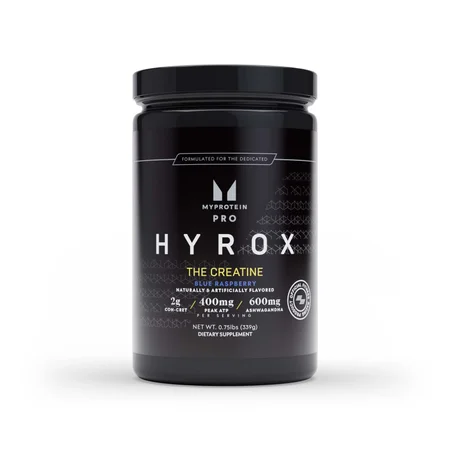
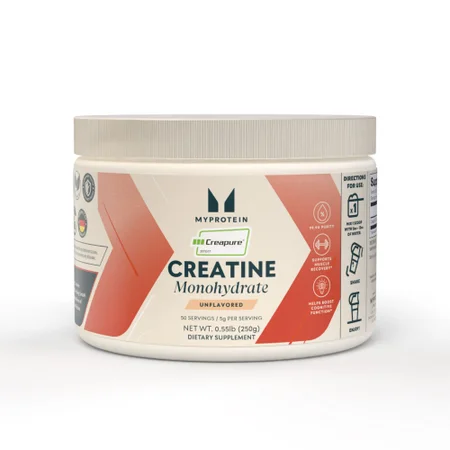
READ THESE NEXT:

Should I Use Creatine While Cutting Fat?
Spoiler: Yes, and it can actually help your cut....

Creatine HCL vs. Monohydrate | Which Is Better?
What is the difference between creatine HCL and creatine monohydrate, and which ...

Creatine Loading Or Cycling? And How Much Per Day?
There are more approaches to creatine loading and cycling than you think....

- U.S. National Library of Medicine. (n.d.). Creatine: Medlineplus supplements. MedlinePlus. Retrieved November 19, 2022, from https://medlineplus.gov/druginfo/natural/873.html
- Cooper, R., Naclerio, F., Allgrove, J., & Jimenez, A. (2012, July 20). Creatine supplementation with specific view to exercise/sports performance: An update. Journal of the International Society of Sports Nutrition. Retrieved November 19, 2022, from https://www.ncbi.nlm.nih.gov/pmc/articles/PMC3407788/
- Mayo Foundation for Medical Education and Research. (2021, February 9). Creatine. Mayo Clinic. Retrieved November 19, 2022, from https://www.mayoclinic.org/drugs-supplements-creatine/art-20347591
- Antonio, J., Candow, D. G., Forbes, S. C., Gualano, B., Jagim, A. R., Kreider, R. B., Rawson, E. S., Smith-Ryan, A. E., VanDusseldorp, T. A., Willoughby, D. S., & Ziegenfuss, T. N. (2021, February 8). Common questions and misconceptions about creatine supplementation: What does the scientific evidence really show? Journal of the International Society of Sports Nutrition. Retrieved November 19, 2022, from https://www.ncbi.nlm.nih.gov/pmc/articles/PMC7871530/
- Creatine & Creatine supplements: What is creatine, are supplements safe. Cleveland Clinic. (n.d.). Retrieved November 19, 2022, from https://my.clevelandclinic.org/health/articles/17674-creatine-and-creatine-supplements#:~:text=It%20will%20take%20seven%20to,or%20trying%20to%20lose%20weight.
- Creatine. Mount Sinai Health System. (n.d.). Retrieved November 19, 2022, from https://www.mountsinai.org/health-library/supplement/creatine
- Allen, P. J. (2012, May). Creatine metabolism and psychiatric disorders: Does creatine supplementation have therapeutic value? Neuroscience and biobehavioral reviews. Retrieved November 19, 2022, from https://www.ncbi.nlm.nih.gov/pmc/articles/PMC3340488/
- De Franca, E., Avelar, B., Santana, J. O., & Fernandes Yoshioka, C. A. (2015, December). Creatine hcl and creatine monohydrate improve strength but only … Retrieved November 21, 2022, from https://www.researchgate.net/publication/288670717_Creatine_HCl_and_Creatine_Monohydrate_Improve_Strength_but_Only_Creatine_HCl_Induced_Changes_on_Body_Composition_in_Recreational_Weightlifters