One physical goal that draws many to the gym is putting on muscle mass. There are many reasons why people want muscle, but whether you're training for aesthetics or your health, going to your gym sessions is just one part of the equation.
Building muscle isn't just about how hard you push yourself while working out—the one factor that arguably affects our bodies more than anything isn't about exercise, at least not directly.
We're talking about nutrition, of course.
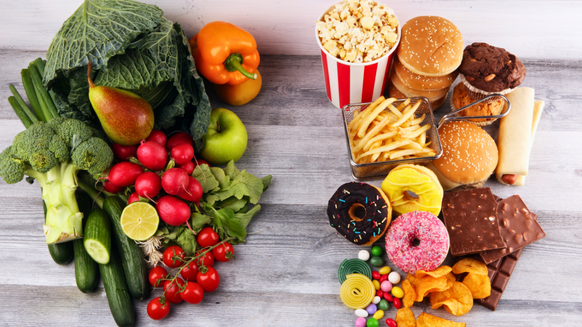
Whether you're trying to lose weight or tone up, you have to be mindful of what you put into your body. We all know that certain nutrients, like protein, are necessary for building muscle. Food groups like fish, meat, and dairy can all provide quality sources of protein when trying to build muscle.
However, it's not just about the food you should eat—there are also foods you should avoid when trying to put on muscle. So, where do you start?
Luckily, ambassador and fitness trainer Cohnan Kotarski is here to make things easier for us. Cohnan is breaking down the top five foods you should avoid so that you can successfully build muscle mass. Let's get into it.
Jump to:
1. Sugary Drinks

This shouldn't come as a surprise—Cohnan's first pick for foods to avoid when trying to build muscle is sugary drinks. As the ambassador explains, sugary beverages are high in sugar and empty calories, providing quick energy spikes but no protein for muscle growth.
Sugary drinks do not contain any real nutrition and in reality, are no different than eating large amounts of sugar. It's also easy to use up your calories on sugary drinks because you're drinking calories rather than eating them. Thus, when aiming for a specific health goal like building muscle, it's best to just stay away from sugary beverages.
2. Processed Snacks

Next on the list, we have another common culprit contributing to unhealthy habits—processed snacks.
Processed snacks are unhealthy in general, but are particularly detrimental for muscle growth goals because they're high in refined carbs and unhealthy fats but low in protein and fiber. Basically, like sugary drinks, they don't really contribute anything positive health-wise.
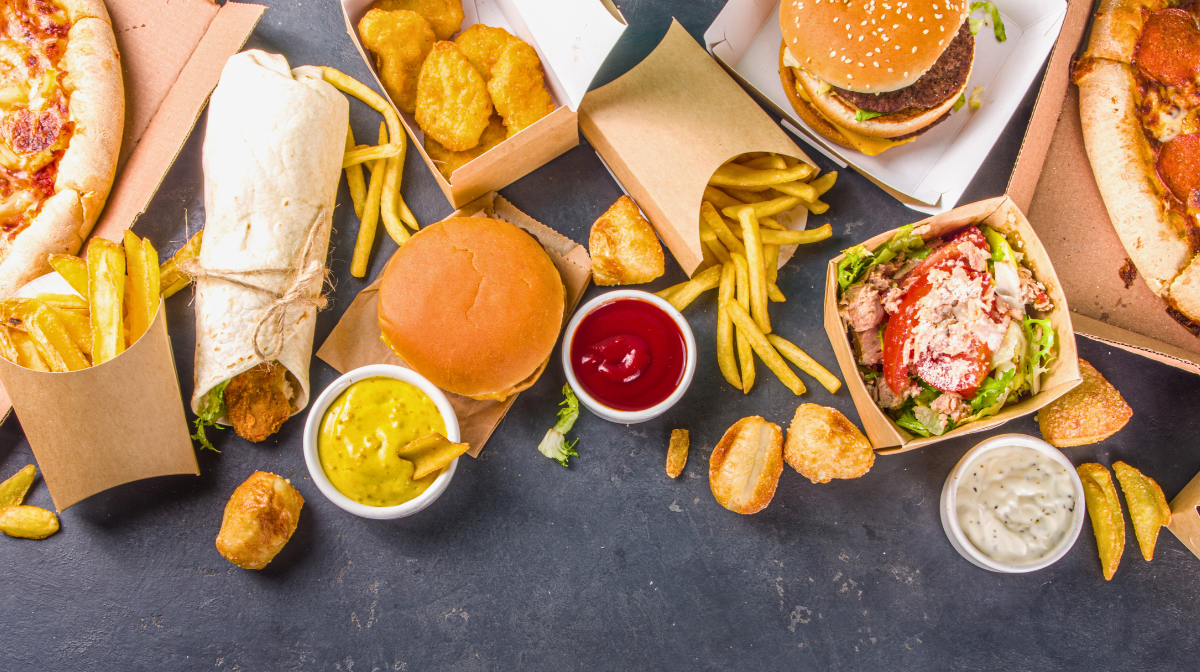
3. Fast Food

A third food that won't help you gain muscle is fast food. According to Cohnan, fast food is high in trans fats, saturated fats, and calories, which can lead to fat gain rather than muscle gain.
Although fast food can provide protein, it is typically fatty protein from processed meats which can make you gain weight rather than muscle.
4. Candy
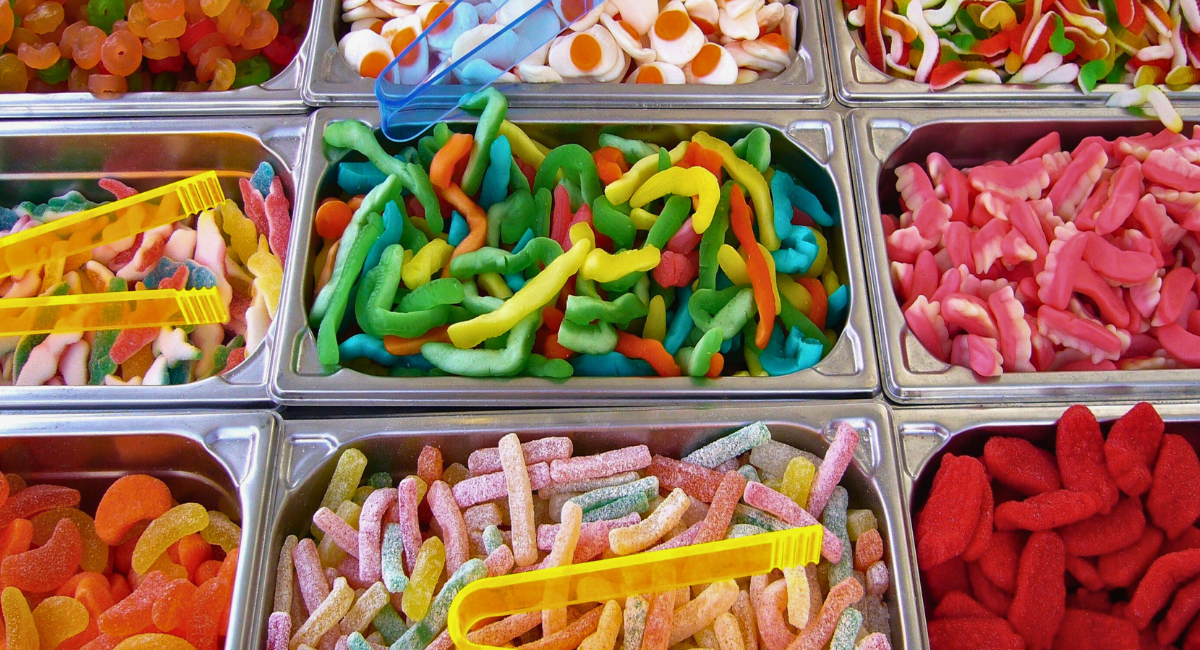
Apologies to all those with a sweet tooth, but next on the list of foods to avoid when trying to build muscle is candy. Cohnan elaborates that candies are high in simple sugars, which spike insulin and can lead to fat storage rather than muscle gain.
Additionally, similarly to sugary drinks and processed snacks, candies contain high levels of sugar with virtually no nutrition—definitely not the best choice when trying to build muscle.
5. Alcohol

Last not but least, alcohol should be avoided when trying to gain muscle.
Although there are alcoholic beverages that contain no added sugar, alcohol itself disrupts muscle protein synthesis, slows down recovery, and dehydrates the body, which negatively impacts your performance and muscle repair.
Thus, it's better to avoid the beverage while adhering to a muscle growth nutrition plan.
Take Home Message
Building muscle requires time and effort, and like many things in life, does not come without discipline. While Cohnan gave us five foods to avoid, there are still plenty of nutritious and tasty foods you can eat that'll support muscle growth. Fuel your body right and your muscle growth journey will be easier and more effective. You got this.

Want more from Cohnan?
READ THESE NEXT:


Founded in 2004, Myprotein has a long history of fuelling people’s fitness journeys. As the UK’s No. 1 Sports Nutrition Brand and Europe’s No. 1 Sports Nutrition Brand*, our mission is to provide you with reliable, evidence-based information, and our blog features articles from a trusted network of experts across fitness, nutrition and wellness. *Source Euromonitor International Limited; Consumer Health 2026 edition, retail value sales (RSP), all retail channels, 2025 data